
Counting the Hours
Having recorded Bach's Goldberg Aria on their debut CD, arranging the Variations seemed a natural next step for Incantati. This idea developed into Counting the Hours, a presentation of the Variations alongside other ‘music of nighttime’ with a narrative structure based on the experience of a sleepless night.
Count von Keyserling, invalid and insomniac, orders his servant, Johann Gottlieb Goldberg, to play Bach's Variations in an antechamber. While listening, Keyserling tries the conventional tricks to get to sleep (counting sheep), then teases his brain with conundrums (Sudoku and Wordle), lets his mind drift back to the days of his youth and good health, and finally, after a period of intense anxiety, sinks into a gentle slumber, only to be woken by the joyful singing of a folk song: 'Kraut und Rὕben haben mich vertrieben.'
In 'Counting the Hours', Bach's Aria and variations are played in their entirety, some on harpsichord and some, including all of the canonic variations, by the violin, viola d’amore, viola da gamba trio. The programme also includes some medieval canons by John Dunstable, Guillaume de Machaut, Niccolo da Perugia and Anonymous, which follow the same format as the Bach canons – two canonic voices over a free bass – but each has a different 'twist' to the canonic concept, just as each of Bach's canonic Variations is at a different interval.
Counting the Hours also includes 'music of nighttime' from Leos Janacek's set of piano pieces 'On the Overgrown Path': The Little Owl Continues Screeching, So Unutterably Anxious, and Good Night. Bizarre as the inclusion of Janacek arrangements in a programme of Bach might seem, it does have a rationale, since Janacek was a keen composer for viola d'amore. The mood of these pieces also fits the theme of the programme particularly well.

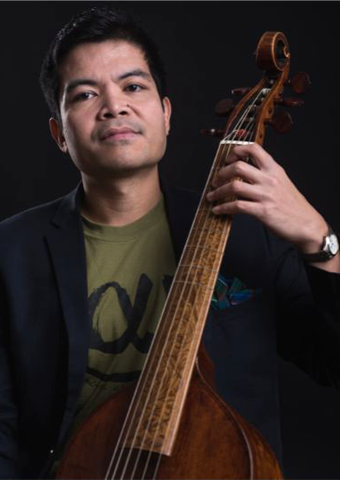
Ibrahim Aziz
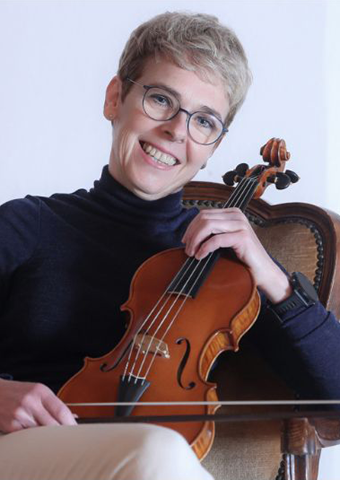
Petra Samhaber-Eckhardt
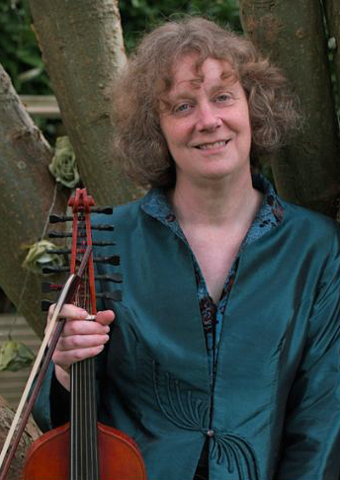
Rachel Stott
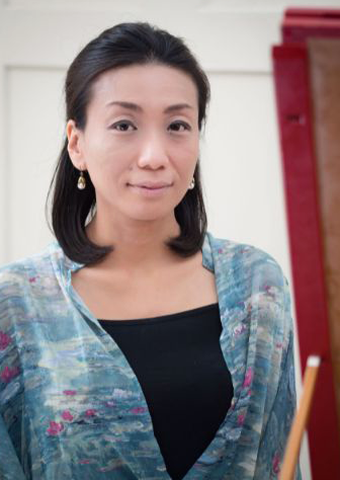
Satoko Doi-Luck
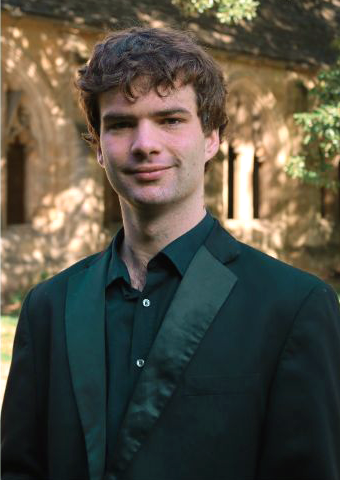
Daniel Gilchrist
